
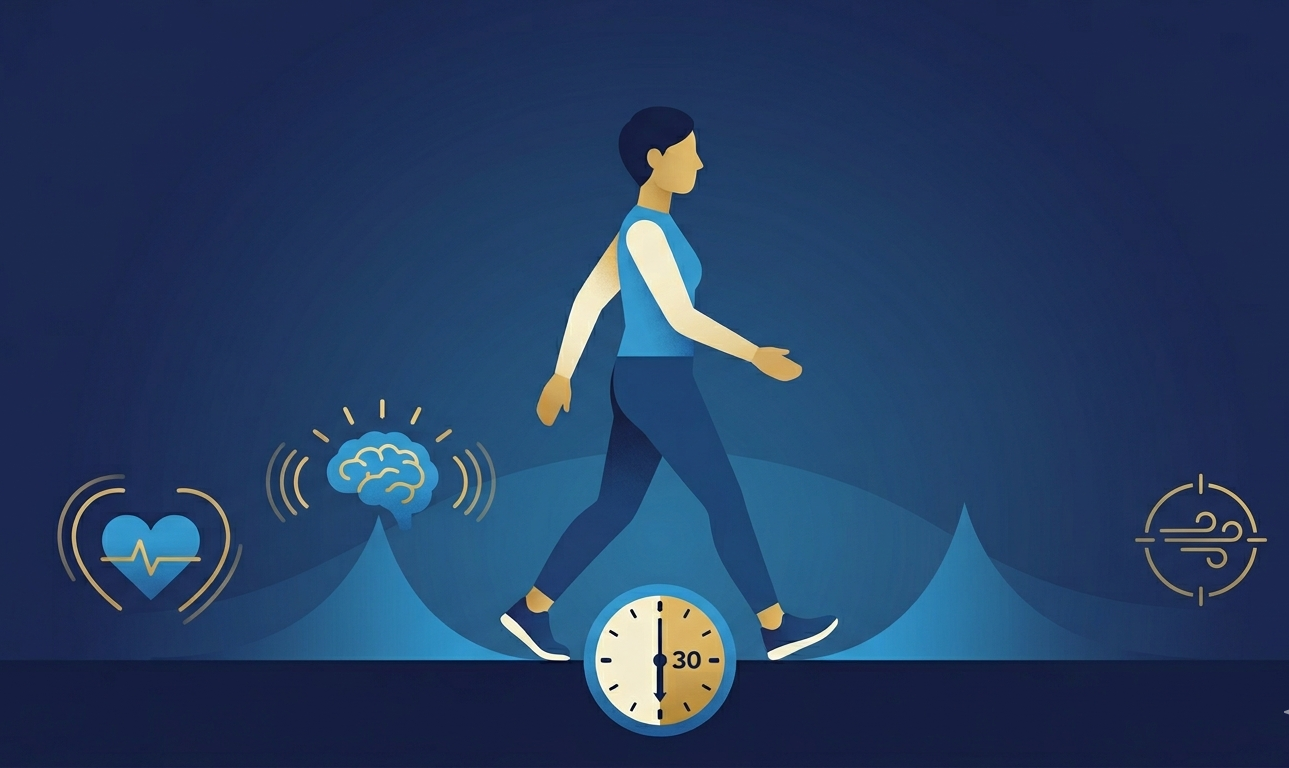
Forget the high-priced gym memberships, the neon-colored pre-workout powders, and the complex fitness trackers that judge you for sitting too long. Imagine a miracle drug that could slash your risk of heart disease, sharpen your cognitive focus, and melt away the day’s anxiety—all for the grand cost of zero dollars. This isn’t a futuristic medical breakthrough; it’s the simple act of putting one foot in front of the other.
I used to be a “fitness extremist.” If I wasn’t drenched in sweat after a 60-minute HIIT session, I felt like I hadn’t actually “worked out.” But then, life got busy, my joints started protesting, and my stress levels hit a fever pitch. I decided to strip it all back and commit to just 30 minutes of walking every single day. No excuses. No sprinting. Just walking.
What happened over the next month wasn’t just a physical change—it was a total mental recalibration. If you’re looking for a sign to start moving, this is it. Let’s break down why 30 minutes on the pavement (or the trail) is the ultimate life-hack for 2026.
1. The Cardiac “Insurance Policy”
Your heart is a muscle, and like any muscle, it thrives on consistent, moderate work. Walking is the gold standard for cardiovascular health because it provides a steady aerobic challenge without the high-impact stress of running.
According to the American Heart Association, walking for just 30 minutes a day can significantly reduce your risk of heart disease and stroke. It helps maintain healthy blood pressure and improves circulation.
The Science of the “Pump”:
When you walk, your heart pumps more blood to your muscles, and your lungs take in more oxygen. Over time, this makes your heart more efficient. It’s like upgrading your car’s engine; eventually, it takes less effort to go the same distance.
2. The Natural Antidepressant
In our hyper-digitized world, our brains are constantly “on.” This leads to a buildup of cortisol (the stress hormone) that leaves us feeling wired but tired.
Walking acts as a natural “exhaust valve” for stress. When you move, your brain releases endorphins—your body’s natural feel-good chemicals. But there’s more to it than just chemistry. There is a psychological phenomenon called “Optic Flow.” As you walk forward, images flow past your eyes. This bilateral eye movement has been shown to quiet the amygdala (the brain’s fear center), effectively “de-stressing” your thoughts in real-time.
Personal Tip: I call my daily walk my “Brain Dump.” I don’t listen to music for the first 10 minutes. I let my thoughts race, collide, and eventually settle. By the time I get home, the mental clutter is gone.
3. Blood Sugar Mastery and Metabolic Health
We are currently facing a global surge in metabolic issues. One of the most underrated benefits of a 30-minute walk is its effect on insulin sensitivity.
Research published in Diabetes Care suggests that short walks after meals are even more effective at lowering blood sugar levels than one long walk. When you walk, your muscles use the glucose in your bloodstream for energy, preventing those sharp insulin spikes that lead to weight gain.
| Time of Walk | Primary Benefit |
| Morning | Sets your circadian rhythm and boosts alertness |
| Post-Lunch | Prevents the “afternoon slump” and aids digestion |
| Evening | Clears work stress and prepares the body for sleep |
4. Longevity and “Joint Lubrication”
There is a common myth that walking is bad for your knees. In reality, the opposite is true. Because cartilage has no direct blood supply, it gets its nutrition from joint fluid that circulates when we move.
Walking “squishes” the cartilage, bringing oxygen and nutrients into the area. According to Harvard Health, walking reduces arthritis-related pain by strengthening the muscles that support the joints.
5. Important Warnings and Precautions
While walking is highly accessible, “one size fits all” is a dangerous philosophy in fitness. Being mindful of these precautions doesn’t mean you can’t walk; it just means you need to walk smarter.
The Pre-Existing Condition “Pause”
If you have been sedentary for a long period or are managing a chronic illness, your body needs a gradual introduction.
- Heart Conditions: If you have a history of heart disease or have recently undergone surgery, check with your cardiologist to find your safe “target zone.”
- Diabetes Alert: Walking can occasionally cause hypoglycemia (low blood sugar). Always carry a fast-acting carb and perform daily foot checks, as neuropathy can make you unaware of small injuries.
Acute Injuries and Structural Limits
- The “Sharp Pain” Rule: Dull muscle soreness is normal. Sharp, stabbing, or localized pain in the shins, knees, or hips is a signal to stop. Walking on a stress fracture will only set you back months.
- Severe Obesity: For those with a high BMI, sudden 30-minute daily sessions on hard pavement can be taxing on joints. Starting on softer surfaces like grass or using a recumbent bike can be a safer precursor.
Environmental Hazards
- Extreme Temperatures: Walking in temperatures above 35°C (95°F) puts you at risk for heatstroke.
- Air Quality: On high-pollution days, move your walk to a treadmill in a well-ventilated space to protect your lungs.
6. How to Make the Habit Stick (Practical Tips)
- The “Sneaky” 30: You don’t have to do it all at once. Three 10-minute walks provide the same cardiovascular benefits as one 30-minute block.
- The Gear Trick: Keep your walking shoes right by the front door. Visual cues are powerful habit triggers.
- Audit Your Entertainment: Save your favorite podcast only for your walks. If you want to hear the end, you have to keep moving.
Conclusion: The First Step is the Hardest
We often overcomplicate health. We look for the newest supplement, forgetting that our bodies were designed for the simplest of movements. Walking 30 minutes a day won’t turn you into an Olympic athlete overnight, but it will transform your relationship with your body and mind.
Lace up your shoes, step outside, and just start. You don’t need a destination; you just need to move.
References & Reliable Sources
Stanford News: Walking improves creativity
American Heart Association: Walking as a way of life
Harvard Medical School: 5 Surprising Benefits of Walking
Mayo Clinic: Walking: Trim your waistline
Leave a Reply